
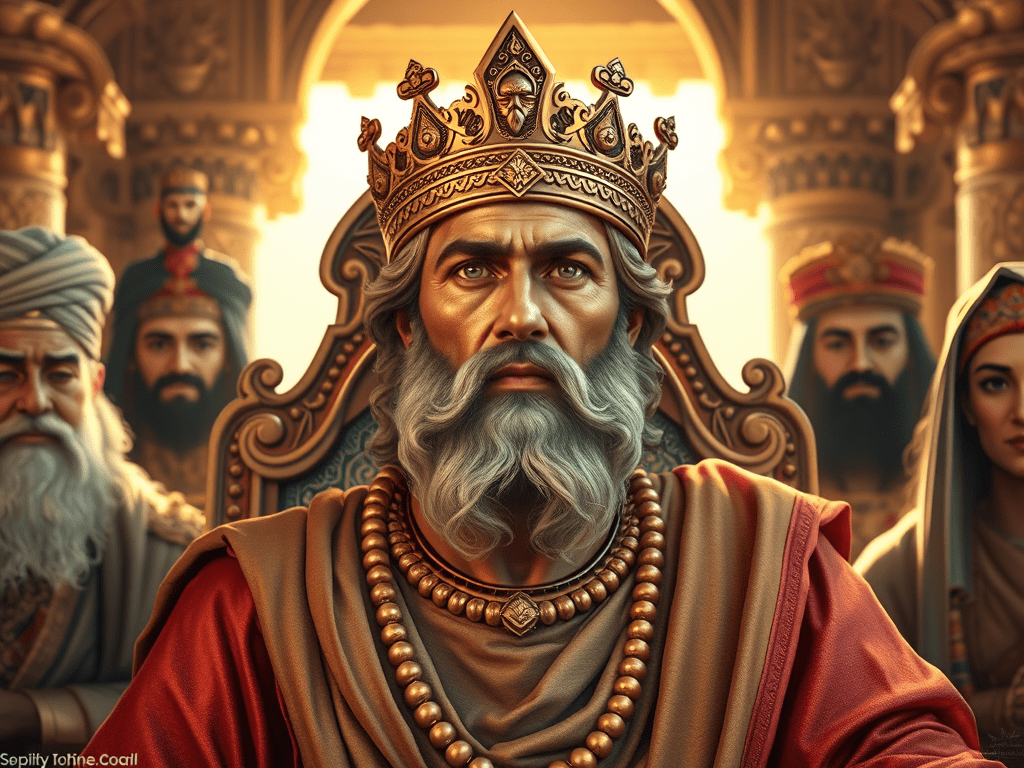
Cyrus the Great is one of those names that echoes through the corridors of history. If you are a student of the ancient world, you know his name well. Believed to be the greatest ruler in Persian history, Cyrus is also widely regarded as one of the most consequential leaders in global history. Through my research, I have come to understand that this reputation rests on more than military victories or political acumen. While Cyrus excelled at both, I chose to focus on the quality that truly sets him apart: his diplomacy and humanitarian vision.
So often, rulers who seek legacy do so through relentless conquest, ruling by fear and suspicion, forever watching their backs. Others govern with a calm intelligence, cultivating loyalty and order through restraint. Cyrus possessed that calm intelligence—but also something more. He demonstrated a level of moral imagination and respect for human dignity that feels strikingly rare, even by today’s standards. In an age defined by domination, Cyrus governed with an ethic of inclusion.
There is a wealth of information available about Cyrus the Great. Across articles, books, and historical accounts, one theme appears again and again: Cyrus was not merely a conqueror; he was a statesman deeply committed to diplomacy, tolerance, and humane governance. His legacy endures not because of how much land he controlled, but because of how he chose to rule those lands.
Cyrus II and the Rise of the Achaemenid Empire
Cyrus II, known to history as Cyrus the Great, emerged from the Iranian plateau, where nomadic Persian tribes laid the foundations of what would become the Achaemenid Empire. In 550 BCE, Cyrus defeated the Medes and captured their capital, Ecbatana. Rather than destroying the Median political structure, he absorbed it, incorporating Median elites into his administration. This act alone signaled a governing philosophy that favored continuity and cooperation over humiliation and erasure.
With control of the Median Empire secured, Cyrus presided over a rapidly expanding state. At its height, the Achaemenid Empire spanned approximately 2.1 million square miles, making it the largest empire the world had yet seen. Yet the true marvel of this expansion lies not in its scale, but in its stability. Cyrus ruled over a mosaic of cultures, languages, religions, and traditions—an undertaking that required far more than military force. It required trust.
Diplomacy as a Tool of Empire
Cyrus understood that lasting power depended on legitimacy in the eyes of the governed. Rather than imposing Persian customs wholesale, he practiced a form of diplomacy that respected local traditions and authorities. Conquered peoples were often allowed to retain their religious practices, social structures, and laws. Local leaders were not automatically displaced; many were preserved as regional administrators under Persian oversight.
This approach transformed subjects into stakeholders. By allowing communities to see themselves reflected within the imperial system, Cyrus reduced rebellion and fostered loyalty. His empire did not function as a boot on the necks of its people, but as a framework within which diverse societies could coexist.
Cyrus also mastered the art of symbolic diplomacy. He presented himself not as a foreign oppressor, but as a legitimate ruler chosen—or at least accepted—by the gods of the lands he governed. This strategy is most famously evident in his actions in Babylon.
The Humanitarian Legacy of Babylon
When Cyrus entered Babylon in 539 BCE, he did so without widespread destruction. Ancient accounts describe a relatively peaceful transition of power, followed by acts that would cement his reputation as a benevolent ruler. Cyrus restored temples, respected Babylonian religious traditions, and returned sacred objects that previous rulers had confiscated.
Most notably, he permitted displaced peoples to return to their homelands. Among these were the Jewish exiles, who were allowed to return to Jerusalem and rebuild their temple. This act of restoration, rather than forced assimilation or continued exile, stands as one of the earliest recorded examples of state-sponsored religious tolerance.
The principles attributed to Cyrus—freedom of worship, respect for cultural identity, and humane treatment of conquered populations—are famously associated with the Cyrus Cylinder. While modern interpretations sometimes debate its framing, the spirit it reflects aligns closely with Cyrus’s actions across his empire. He ruled with restraint in an era that rewarded cruelty.
Power Guided by Moral Restraint
Cyrus’s humanitarianism was not naïve. He understood power and wielded it effectively. But he also recognized that cruelty was a short-term strategy, while justice and respect created enduring rule. His governance suggests an early understanding of what we might now call ethical leadership.
What makes Cyrus so remarkable is that his approach was not forced upon him by modern ideals or international pressure. He acted this way in the sixth century BCE, at a time when mercy toward the defeated was neither expected nor required. His choices were deliberate, and they shaped an empire that endured beyond his lifetime.
Sidebar: What Made Cyrus Different?
Rule Through Respect, Not Fear
Cyrus understood that domination bred resistance. By respecting local customs, religions, and leadership structures, he transformed conquered peoples into invested participants in the empire.
Religious Tolerance as Policy
Long before freedom of worship became a modern ideal, Cyrus practiced it as statecraft. Temples were restored, sacred objects returned, and communities were allowed to honor their own gods without persecution.
Restoration Over Punishment
Rather than exiling populations or erasing identities, Cyrus enabled displaced peoples—most famously the Jewish exiles—to return home and rebuild. This approach fostered loyalty and stability rather than resentment.
Diplomacy as Power
Cyrus used symbolism, negotiation, and legitimacy to govern a vast multicultural empire. He presented himself not as a tyrant, but as a rightful ruler accepted by both people and tradition.
Strength Tempered by Restraint
Cyrus did not reject power; he disciplined it. His restraint in victory is what distinguishes him from many rulers of antiquity—and many leaders today.
A Legacy That Still Speaks
Cyrus the Great is remembered not simply because he built an empire, but because he redefined what empire could be. He demonstrated that strength and compassion are not opposites, that diplomacy can be as powerful as the sword, and that a ruler’s greatest legacy may lie in how they treat the vulnerable.
In studying Cyrus, we are reminded that history offers us more than stories of conquest—it offers models of leadership. Cyrus’s example challenges us to imagine governance rooted in dignity, respect, and humanity. In that sense, his legacy is not ancient at all. It is timeless.
Cyrus the Great: Power Tempered by Humanity
Cyrus the Great is one of those names that echoes through the corridors of history. If you are a student of the ancient world, you know his name well. Believed to be the greatest ruler in Persian history, Cyrus is also widely regarded as one of the most consequential leaders in global history. Through my research, I have come to understand that this reputation rests on more than military victories or political acumen. While Cyrus excelled at both, I choose to focus on the quality that truly sets him apart: his diplomacy and humanitarian vision.
So often, rulers who seek legacy do so through relentless conquest, ruling by fear and suspicion, forever watching their backs. Others govern with a calm intelligence, cultivating loyalty and order through restraint. Cyrus possessed that calm intelligence—but also something more. He demonstrated a level of moral imagination and respect for human dignity that feels strikingly rare, even by today’s standards. In an age defined by domination, Cyrus governed with an ethic of inclusion.
There is a wealth of information available about Cyrus the Great. Across articles, books, and historical accounts, one theme appears again and again: Cyrus was not merely a conqueror; he was a statesman deeply committed to diplomacy, tolerance, and humane governance. His legacy endures not because of how much land he controlled, but because of how he chose to rule those lands.
Cyrus II and the Rise of the Achaemenid Empire
Cyrus II, known to history as Cyrus the Great, emerged from the Iranian plateau, where nomadic Persian tribes laid the foundations of what would become the Achaemenid Empire. In 550 BCE, Cyrus defeated the Medes and captured their capital, Ecbatana. Rather than destroying the Median political structure, he absorbed it, incorporating Median elites into his administration. This act alone signaled a governing philosophy that favored continuity and cooperation over humiliation and erasure.
With control of the Median Empire secured, Cyrus presided over a rapidly expanding state. At its height, the Achaemenid Empire spanned approximately 2.1 million square miles, making it the largest empire the world had yet seen. Yet the true marvel of this expansion lies not in its scale, but in its stability. Cyrus ruled over a mosaic of cultures, languages, religions, and traditions—an undertaking that required far more than military force. It required trust.
Diplomacy as a Tool of Empire
Cyrus understood that lasting power depended on legitimacy in the eyes of the governed. Rather than imposing Persian customs wholesale, he practiced a form of diplomacy that respected local traditions and authorities. Conquered peoples were often allowed to retain their religious practices, social structures, and laws. Local leaders were not automatically displaced; many were preserved as regional administrators under Persian oversight.
This approach transformed subjects into stakeholders. By allowing communities to see themselves reflected within the imperial system, Cyrus reduced rebellion and fostered loyalty. His empire did not function as a boot on the necks of its people, but as a framework within which diverse societies could coexist.
Cyrus also mastered the art of symbolic diplomacy. He presented himself not as a foreign oppressor, but as a legitimate ruler chosen—or at least accepted—by the gods of the lands he governed. This strategy is most famously evident in his actions in Babylon.
The Humanitarian Legacy of Babylon
When Cyrus entered Babylon in 539 BCE, he did so without widespread destruction. Ancient accounts describe a relatively peaceful transition of power, followed by acts that would cement his reputation as a benevolent ruler. Cyrus restored temples, respected Babylonian religious traditions, and returned sacred objects that previous rulers had confiscated.
Most notably, he permitted displaced peoples to return to their homelands. Among these were the Jewish exiles, who were allowed to return to Jerusalem and rebuild their temple. This act of restoration, rather than forced assimilation or continued exile, stands as one of the earliest recorded examples of state-sponsored religious tolerance.
The principles attributed to Cyrus—freedom of worship, respect for cultural identity, and humane treatment of conquered populations—are famously associated with the Cyrus Cylinder. While modern interpretations sometimes debate its framing, the spirit it reflects aligns closely with Cyrus’s actions across his empire. He ruled with restraint in an era that rewarded cruelty.
Power Guided by Moral Restraint
Cyrus’s humanitarianism was not naïve. He understood power and wielded it effectively. But he also recognized that cruelty was a short-term strategy, while justice and respect created enduring rule. His governance suggests an early understanding of what we might now call ethical leadership.
What makes Cyrus so remarkable is that his approach was not forced upon him by modern ideals or international pressure. He acted this way in the sixth century BCE, at a time when mercy toward the defeated was neither expected nor required. His choices were deliberate, and they shaped an empire that endured beyond his lifetime.
A Legacy That Still Speaks
Cyrus the Great is remembered not simply because he built an empire, but because he redefined what empire could be. He demonstrated that strength and compassion are not opposites, that diplomacy can be as powerful as the sword, and that a ruler’s greatest legacy may lie in how they treat the vulnerable.
In studying Cyrus, we are reminded that history offers us more than stories of conquest—it offers models of leadership. Cyrus’s example challenges us to imagine governance rooted in dignity, respect, and humanity. In that sense, his legacy is not ancient at all. It is timeless.

 The Timeless Griot
Leave a comment